
Dougherty County’s High Rate of Alzheimer’s Disease Highlights Urgent Need for Early Detection and Support
Albany, GA | September 21, 2026 – According to research from the Alzheimer’s Association, Dougherty County has the seventh highest rate of Alzheimer’s disease in the nation – a statistic that emphasizes the importance of education, early detection, and access to specialized care for individuals and families facing memory loss. As communities around the globe observe World Alzheimer’s Month this September, healthcare leaders at Phoebe are raising awareness about Alzheimer’s disease and related dementias amid growing concerns about the disease’s impact locally.
Alzheimer’s disease is the most common form of dementia, affecting memory, thinking, behavior, and the ability to perform everyday activities. While age remains the greatest known risk factor, experts say medical conditions such as high blood pressure, diabetes, obesity, cardiovascular disease, smoking, physical inactivity, hearing loss, and social isolation can also increase the risk of cognitive decline.
“Many people assume memory loss is simply a normal part of aging, but that is not always the case. The earlier we can identify cognitive changes, the more opportunities we have to help patients understand what is happening, connect them with resources, and develop a care plan that supports both the patient and their family,” said Marla Morgan, MD, a neurologist at Phoebe Neurology.
The Phoebe Neurology team encourages community members to understand the early warning signs, which may include:
- Memory loss that disrupts daily life
- Difficulty completing familiar tasks
- Challenges planning or solving problems
- Confusion with time or place
- Trouble following conversations
- Misplacing items and being unable to retrace steps
- Changes in judgment or decision-making
- Withdrawal from social activities
- Noticeable changes in mood or personality
Alzheimer’s disease disproportionately affects Black and Hispanic populations. Studies have shown that older Black Americans are significantly more likely to develop Alzheimer’s disease or other dementias than older White Americans. Experts believe the disparity is influenced by several factors, including higher rates of cardiovascular disease, diabetes, hypertension, barriers to healthcare access, and social determinants of health.
In Southwest Georgia, where many families are already managing chronic health conditions, Dr. Morgan says education and early screening are especially important.
“We know that Alzheimer’s disease does not affect every community equally. Black and Brown families often face a greater burden from Alzheimer’s disease and dementia, yet many individuals are diagnosed later in the course of the disease. By increasing awareness and encouraging conversations with primary care providers, we hope to help more people receive answers and support earlier,” said Dr. Morgan.
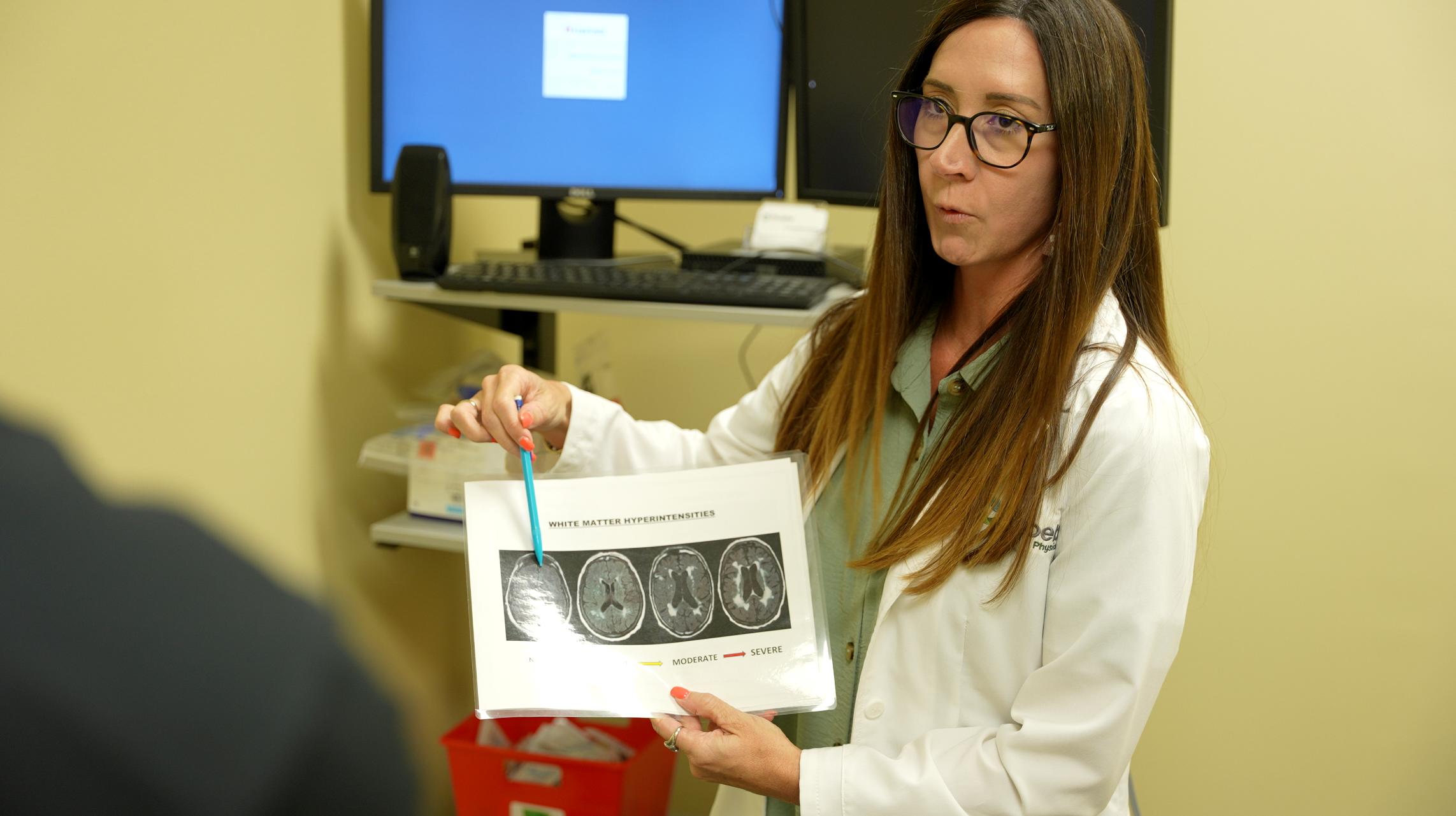 For families concerned about memory loss, specialized services are available locally through the Phoebe Memory Assessment Clinic, which serves as a regional Georgia Memory Net Memory Assessment Clinic.
Georgia Memory Net is a statewide initiative, developed in partnership with Emory University, to improve access to early and accurate diagnosis of Alzheimer’s disease and related dementias while supporting patients, caregivers, and healthcare providers. The program utilizes evidence-based diagnostic tools and connects patients with personalized care recommendations and community services.
Located at Phoebe Northwest, the Phoebe Memory Assessment Clinic provides comprehensive evaluations for individuals referred by their primary care provider. Following assessment, patients receive a diagnosis, individualized care plan, and connections to resources designed to help them navigate life with dementia. The clinic also offers access to a Community Services Educator who helps families identify support services, educational programs, and caregiver resources.
“The diagnosis of Alzheimer’s disease affects far more than one individual. It impacts spouses, children, caregivers, friends, and entire support networks. Our goal is not only to provide an accurate diagnosis, but also to ensure families know they are not facing this journey alone,” said Jennifer Ban, MSN, nurse practitioner at the Phoebe Memory Assessment Clinic.
The Centers for Medicare & Medicaid Services encourage annual wellness visits that include cognitive screening tools capable of identifying signs of memory impairment. When concerns are identified, providers can refer patients for additional evaluation through Georgia Memory Net’s Memory Assessment Clinics.
According to Dr. Morgan, seeking evaluation early can help individuals:
- Understand the cause of memory concerns
- Access available treatments and symptom-management strategies
- Plan for future healthcare and financial decisions
- Connect with support services and caregiver resources
- Improve quality of life through earlier interventions
Memory changes should never be ignored. If you or a loved one notices changes in memory, thinking, language, or daily functioning, talk to your primary care provider. Getting answers early can make a meaningful difference,” said Dr. Morgan.
While there is no cure for Alzheimer’s disease, new treatments are showing success. Phoebe offers IV infusions of a drug that slows cognitive decline in some patients in the early stages of the disease.
“The treatment is only approved for patients with mild cognitive impairment, and it can have serious side effects. That’s why it’s important for a patient to get an early diagnosis and be seen by a neurologist to discuss all options and decide the best course of treatment for them,”
Dr. Morgan said. Individuals concerned about memory loss should speak with their primary care provider about screening and referral options. For more information about the Phoebe Memory Clinic, call 229-312-1000. Referrals are required for appointments.