
Phoebe Raises Awareness for PTSD During National PTSD Awareness Month
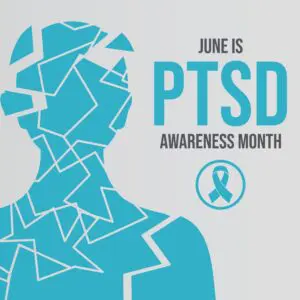 Albany, GA | June 18, 2026 – In recognition of National Post-Traumatic Stress Disorder (PTSD) Awareness Month this June, Phoebe is sharing information about the impact of trauma and the importance of accessible, effective care across southwest Georgia.
PTSD is a mental health condition that can develop after experiencing or witnessing traumatic events, including accidents, violence, medical emergencies, or natural disasters. Symptoms may include intrusive memories, avoidance, anxiety, and changes in mood that can interfere with daily life, but experts say recovery is possible with the right treatment.
“Some research suggests that 50%-85% of patients experience good results from evidence-based PTSD treatment. And while there is scientific evidence that medication can be beneficial in the treatment of PTSD, overall, the evidence suggests that the best treatment outcomes are achieved with evidence-based psychotherapy interventions. At Phoebe we offer therapy for trauma-related disorders, as well as medication to help augment the treatment of trauma-related disorders. Research also suggests that early intervention can shorten the timeframe it takes to achieve resolution of symptoms, and in some cases can prevent symptoms from progressing to more severe levels,” said Eric Ragazino, MD, Phoebe Behavioral Health Psychiatrist.

Phoebe delivers PTSD care through a comprehensive behavioral health network anchored at Phoebe Putney Memorial Hospital and expanding throughout the region.
At PPMH, patients experiencing severe PTSD symptoms, such as crisis-level anxiety, suicidal thoughts, or inability to function can receive immediate support through the Emergency & Trauma Center’s dedicated behavioral health unit.
For those requiring more intensive treatment, PPMH also offers an inpatient behavioral health unit, where patients participate in structured, trauma-informed care plans aimed at stabilizing symptoms and preparing them for continued recovery.
“PTSD can significantly affect a person’s ability to function day-to-day, but with the right support, patients can regain stability and improve their quality of life. Our inpatient and emergency services provide immediate care, while our outpatient programs ensure patients have the support they need long after a crisis has passed,” said Maria Jasinskas, MD, Phoebe Behavioral Health Psychiatrist.

Both Dr. Ragazino and Dr. Jasinskas bring a deeply personal perspective to their work, having each served in the U.S. military. Their experience as veterans informs their understanding of trauma and its lasting effects, particularly for those who have faced high stress or life-threatening situations. This shared background strengthens Phoebe’s commitment to providing compassionate, informed PTSD care, not only for veterans, but for all individuals across Southwest Georgia impacted by trauma.
Ongoing PTSD treatment is primarily delivered through Phoebe’s outpatient behavioral health services, where patients receive psychiatric evaluation, medication management, and therapy. These services help individuals process trauma, develop coping strategies, and manage symptoms over time.
To make PTSD care more accessible, Phoebe is expanding outpatient and therapy services into Phoebe Sumter Medical Center and Phoebe Worth Medical Center, reducing the need for patients to travel long distances for care. At Phoebe Worth, therapy services are becoming available on-site, while Phoebe Sumter is preparing to introduce expanded behavioral health access in the near future.
Phoebe is also bringing mental health providers into primary care and urgent care settings across the region, allowing patients with PTSD symptoms to be identified and connected to care in familiar, trusted environments.
“The research suggests that many people do not seek treatment for PTSD because they believe that they should somehow be able to handle the problem themselves, or that the symptoms are not yet serious enough to require treatment and that over time the symptoms will simply resolve on their own. Fear of judgment from peers, family or co-workers, as well as treatment cost and accessibility are often factors as well. These beliefs and factors sometimes leave people suffering unnecessarily,” said Dr. Ragazino.
During PTSD Awareness Month, Phoebe encourages individuals to recognize symptoms, seek help early, and support loved ones who may be struggling after trauma.
“PTSD doesn’t have to be something people face alone. With the right treatment and support, recovery is absolutely possible. Left untreated PTSD symptoms can negatively impact your overall health by also impairing your sleep, memory and ability to handle day to day, never worry alone, get help,” said Dr. Jasinskas.
To learn more about Phoebe Behavioral Health services or to schedule an appointment, call 229-312-7001 or visit www.phoebehealth.com/behavioralhealth.