
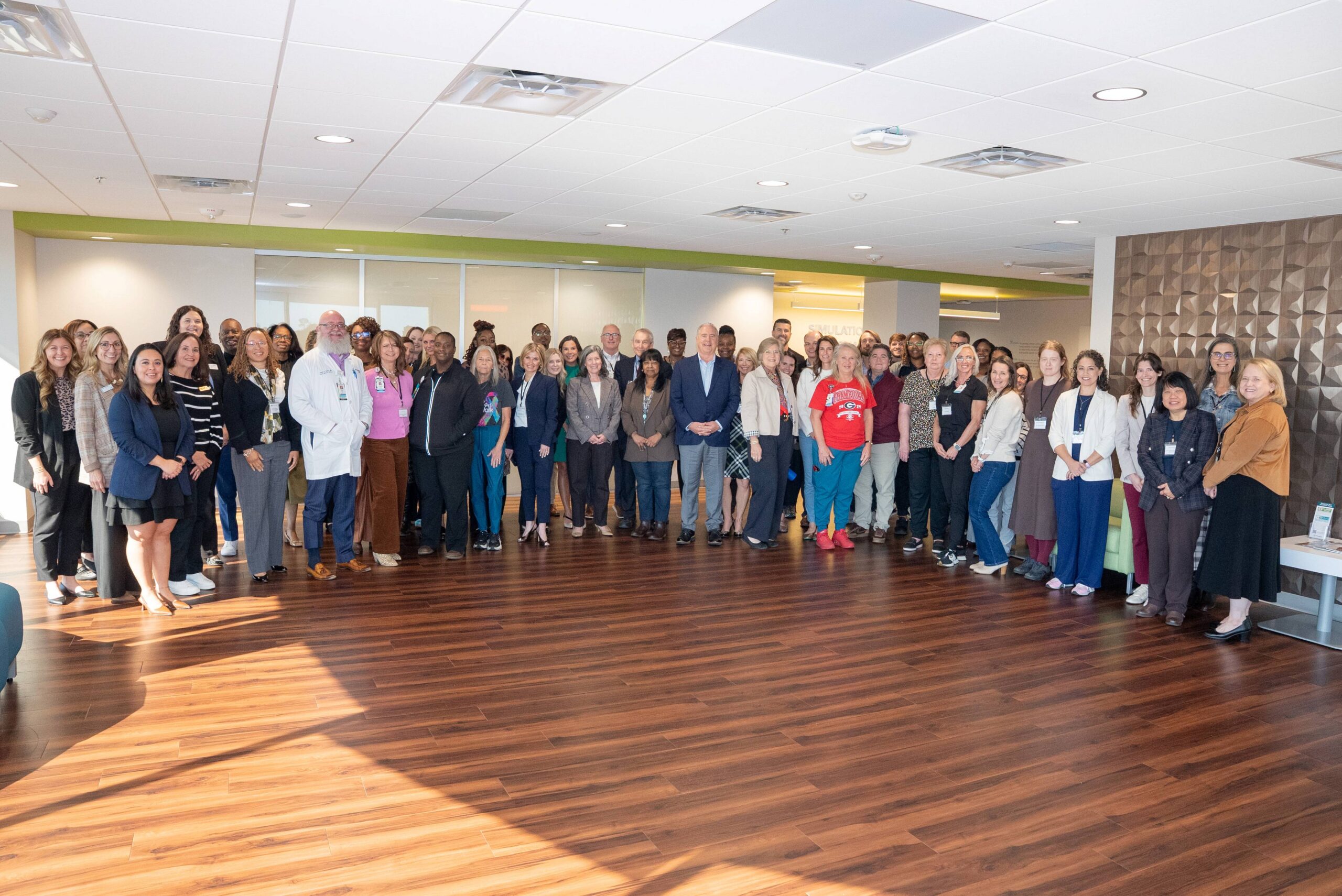
Albany, GA | November 13, 2026 -The Georgia Lung Cancer Roundtable held its 10th annual meeting at Phoebe Putney Memorial Hospital, hosted in the hospital’s Simulation & Innovation Center. Physicians, nurse navigators, radiologists, pulmonologists, oncologists, cancer registry professionals, public health leaders and advocates from across Georgia came together to share what is working in early detection and to close gaps in lung cancer care.
Lung cancer remains the leading cause of cancer death in the United States, and southwest Georgia carries a heavy share of that burden. Hosting the meeting in Albany put the statewide conversation in a region where rural access, insurance gaps and poverty make early detection harder, and where Phoebe has built a program that is delivering results.
Since January 2020, Phoebe’s Lung Watch program has completed 10,954 lung screening scans and identified 158 lung cancers. Phoebe now performs about 2,000 scans a year, and more than half of the cancers it diagnoses are found at stage I or II when the disease is more treatable.
The program is accredited by the American College of Radiology, and Phoebe’s cancer program is accredited by the American College of Surgeons Commission on Cancer. Its lung screening program is also recognized as a GO2 for Lung Cancer center of excellence. Weekly multidisciplinary reviews, dedicated nurse navigation and robotic bronchoscopy with the Ion system allow Phoebe to evaluate and treat smaller lung nodules close to home.
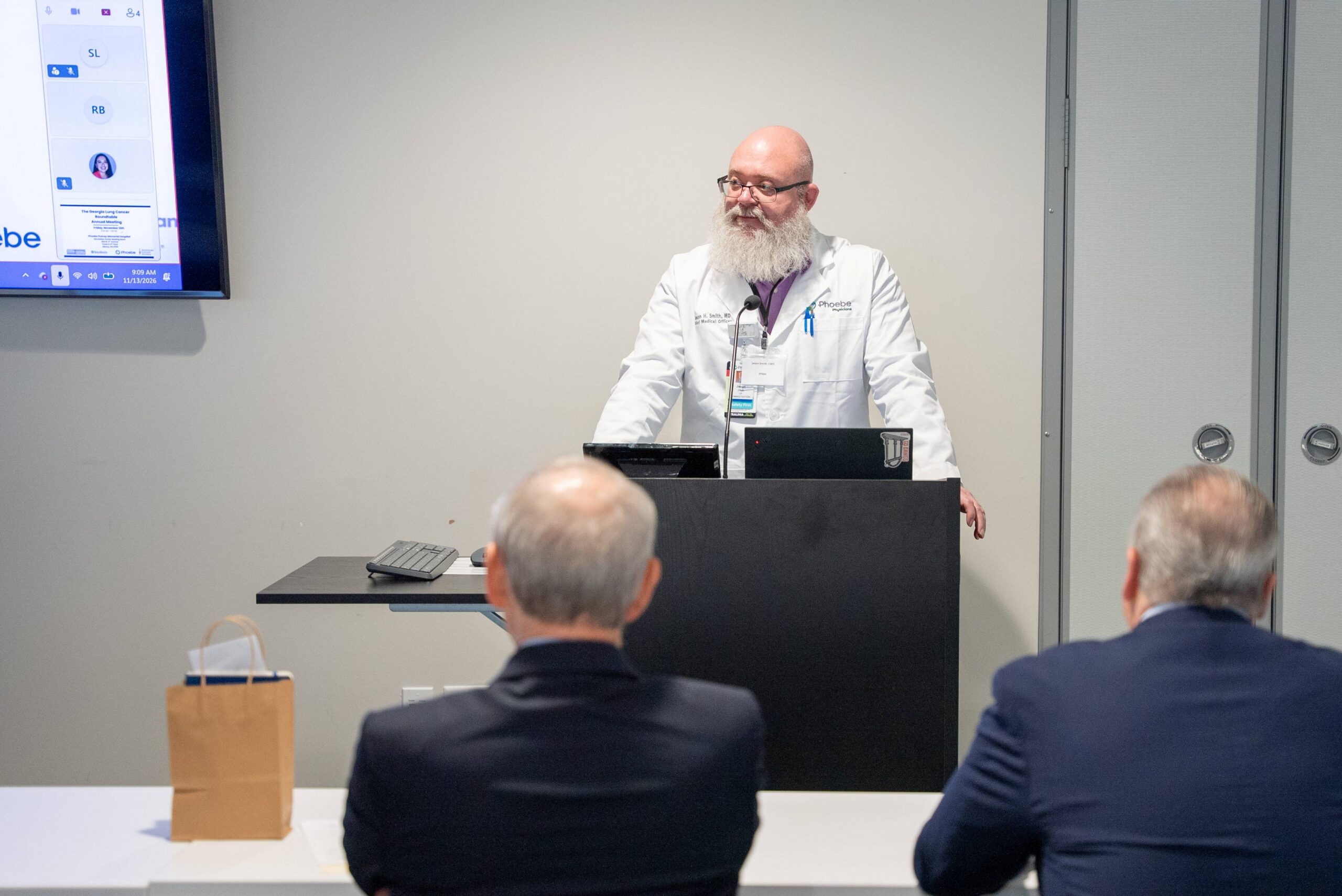 “We believe that exceptional cancer care begins with collaboration. These numbers represent far more than statistics. They represent lives changed. Hosting the Roundtable at Phoebe reflects who we are as a health system: a regional leader committed to bringing nationally recognized cancer care close to home. Southwest Georgia families should not have to travel far to find lung cancer screening, expert diagnosis and treatment. Welcoming the state’s leading voices to Albany lets us share what we have learned and take back the best ideas to serve our patients even better,” said Jason Smith, MD, Chief Medical Officer at Phoebe Putney Memorial Hospital.
Dan Miller, MD, chief of thoracic surgery at the Georgia Cancer Center at the Medical College at Augusta University, opened the program with a review of statewide data. Georgia’s adult smoking rate has fallen to about 10 percent, but roughly 22 percent of Georgians diagnosed with lung cancer receive no treatment, and the state ranks second to last in cigarette tax. Dr. Miller also discussed efforts to restrict flavored vaping products and to expand biomarker testing.
In a session titled “The Long and Winding Road to 80%,” James Hotz, MD, of Albany Area Primary Health Care described how its clinics serve a largely rural, mostly Black patient population in which more than a quarter of patients are uninsured. Working with Emory University, the health center uses clinical champions, a streamlined electronic order that takes about 80 seconds, automatic annual re-ordering and clinic-level report cards. Dr. Hotz said broader eligibility criteria identify far more at-risk patients than current federal guidelines alone, including Black patients and women, who are underrepresented in screening.
Adam Jones, MD, a Radiation Oncologist with Radiation Oncology Associates and the Phoebe Cancer Center, outlined Phoebe’s Lung Watch quality model of nurse navigation, multidisciplinary review and accreditation. Phoebe provides 100 free scans a year for uninsured and underinsured patients in its service area and plans automatic annual scan scheduling in 2027.
 The agenda also included advocacy updates from the American Lung Association and the American Cancer Society Cancer Action Network, a discussion of screening criteria led by Dr. Miller and Phoebe cardiothoracic surgeon Dr. Malcolm Jefferson, a presentation on the c-CARE III smoking cessation and lung screening trial from Marlo Michelle Vernon, PhD, of Augusta University, a survivorship talk by Valerie Newell, and a closing discussion of Roundtable engagement opportunities.
The meeting ended with a shared call to action. Attendees left Albany with new ideas on screening eligibility, patient navigation and advocacy, and a clear goal of getting more at-risk Georgians screened earlier. With the Roundtable now in its second decade, its members say the work depends on the kind of partnership on display in southwest Georgia, where hospitals, primary care clinics, public health leaders and community advocates are working toward the same goal.
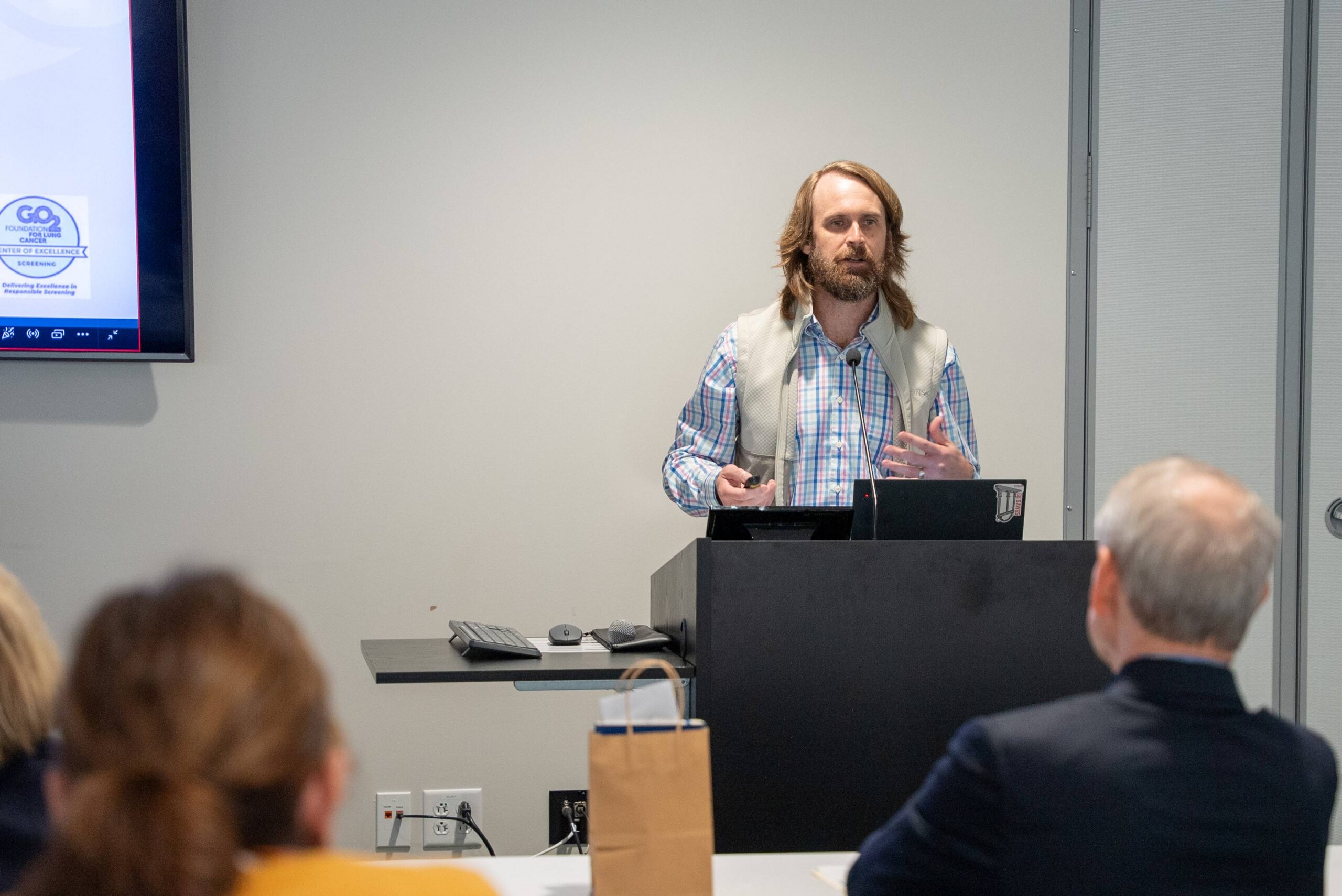 “Every scan we do is a chance to catch lung cancer early, when our patients have the most options. Welcoming colleagues from across Georgia to Phoebe lets us share what works for our patients here. Navigators who guide people through each step, physicians who review every case together, and a team that is committed to getting patients the care they need close to home. We are leaving with new ideas to reach even more southwest Georgians who could benefit from screening,” said Dr. Jones.
If you’re interested in learning more about Phoebe’s Lung Watch, talk to your primary care physician or call 229-312-5753.