
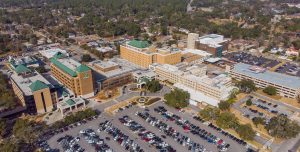
 Albany, GA | December 16, 2025 – Phoebe has released its latest Community Health Needs Assessment (CHNA), a federally required, comprehensive evaluation of the most pressing health needs across the communities served by Phoebe Putney Memorial Hospital, Phoebe Sumter Medical Center and Phoebe Worth Medical Center.
As a not-for-profit health system, Phoebe conducts a CHNA every three years to assess community health challenges and demonstrate how resources are reinvested locally to improve health outcomes. The new assessment reflects months of data collection, analysis, and community collaboration.
 The assessment process combined secondary data analysis, including review of health equity indicators such as poverty rates and food insecurity, with extensive primary data collection. Phoebe gathered input through community surveys, listening sessions and partnerships with local organizations addressing social determinants of health, alongside representatives from area Departments of Public Health.
While each hospital identified priorities specific to its service area, the assessment revealed two common priorities across all three communities: mental health and access to healthcare.
 “The fact that three separate communities, with different demographics and challenges, all identified mental health and access to care as top priorities sends a very clear message. These are areas where focused, coordinated action can make a meaningful difference for the people we serve,” said Jen Williams, PhD, Phoebe Putney Health System Chief Community Engagement & Health Impact Officer.
Additional priorities identified across the hospitals include women’s health, sexually transmitted infections, heart disease and stroke, and diabetes. Not all priorities apply to every hospital, underscoring the importance of a locally driven approach.
As part of the CHNA process, Phoebe outlined targeted implementation strategies to support this work over the next three years. Examples include:
- Expanding the reach of mobile health units to additional rural and underserved areas
- Launching mental health anti stigma campaigns
- Increasing health education partnerships with schools and community groups, including STI and chronic disease prevention
- Developing provider pipeline initiatives, including residency and internship collaborations
Williams emphasized the importance of designing solutions with the community, not just for the community.
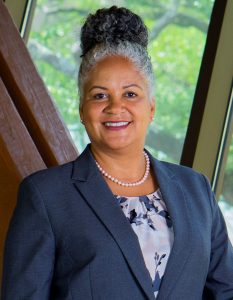 “This year’s CHNA reflects many diverse voices. People told us what they need, where they struggle, and where they see hope. We’re using that insight to guide every strategy we put forward,” said Williams.
Following completion of the assessment, Phoebe continued to work with community stakeholders to develop implementation plans, outlining strategies to address each identified priority. While each hospital has its own tailored plan, Phoebe will take a system wide approach to improving mental health services and access to care.
“Our goal is not simply to identify challenges, but to act on them. The Community Health Needs Assessment gives us a roadmap, and the implementation plans reflect both community input and our commitment to measurable impact,” said Williams.
Williams also noted that collaboration will continue well beyond the publication of the report.
“This work doesn’t end with the release of the CHNA. We’ll keep engaging with partners, listening to residents, and adjusting our efforts to ensure we’re meeting people where they are,” she said.
The CHNA and implementation plans are available on Phoebe’s website and open for public review and comment. Community members are encouraged to explore the findings and share feedback.
“Community voices are at the heart of this process. This work is strongest when it reflects the lived experiences of the people in our service areas, and we welcome continued engagement as we move forward,” said Williams.
To view the 2026 Community Health Needs Assessment and learn more about Phoebe’s community health initiatives, visit https://phoebehealth.com/health-matters/building-healthy-communities/.